LabPi: A digital low-cost measuring station
Low-cost, high-tech. LabPi is a digital measuring station for use in schools, student laboratories, university teaching and research. By combining a powerful station with precise sensors and innovative technology, it opens up new teaching and learning opportunities for STEM education 4.0.
One platform for everything
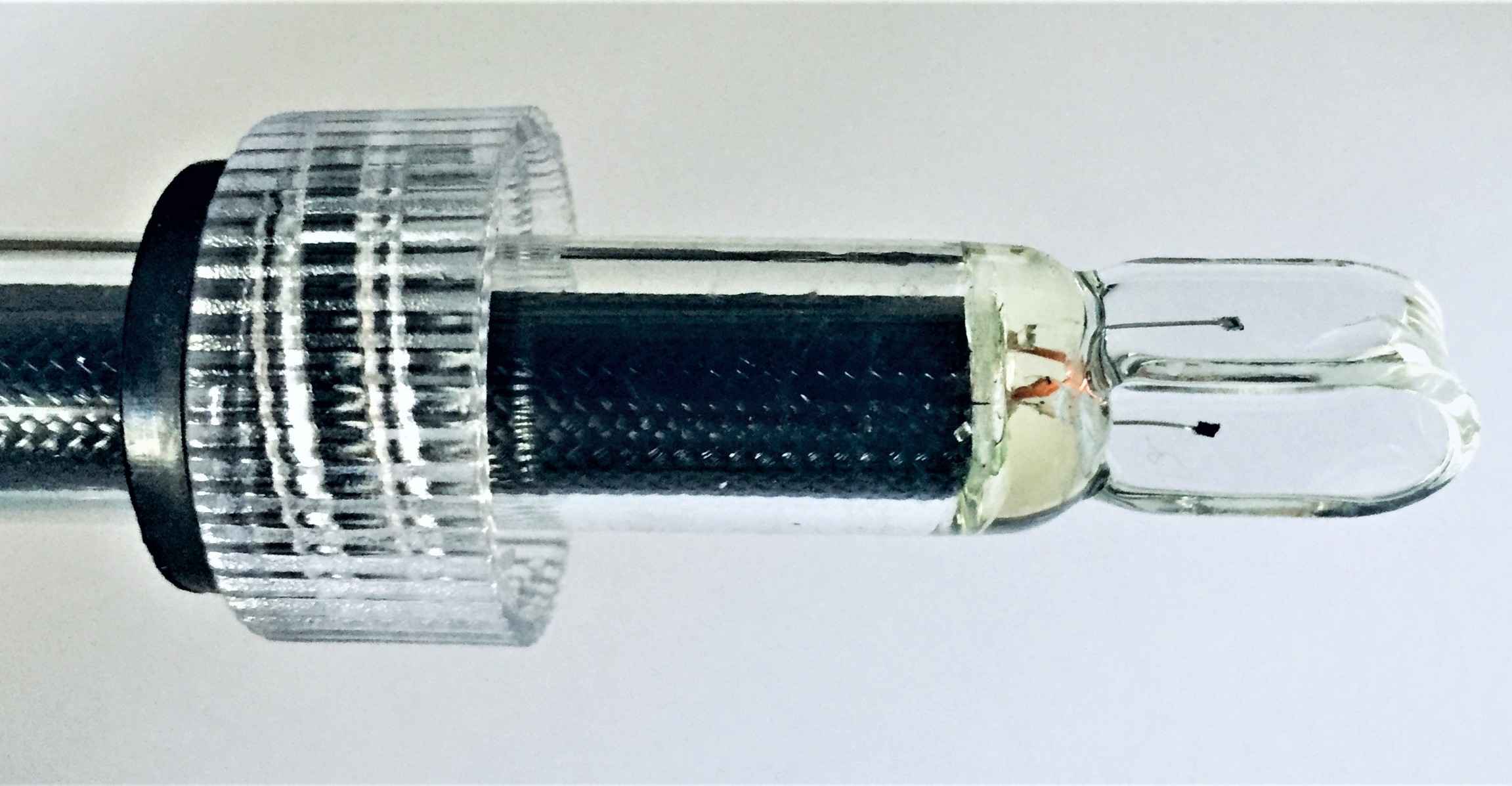
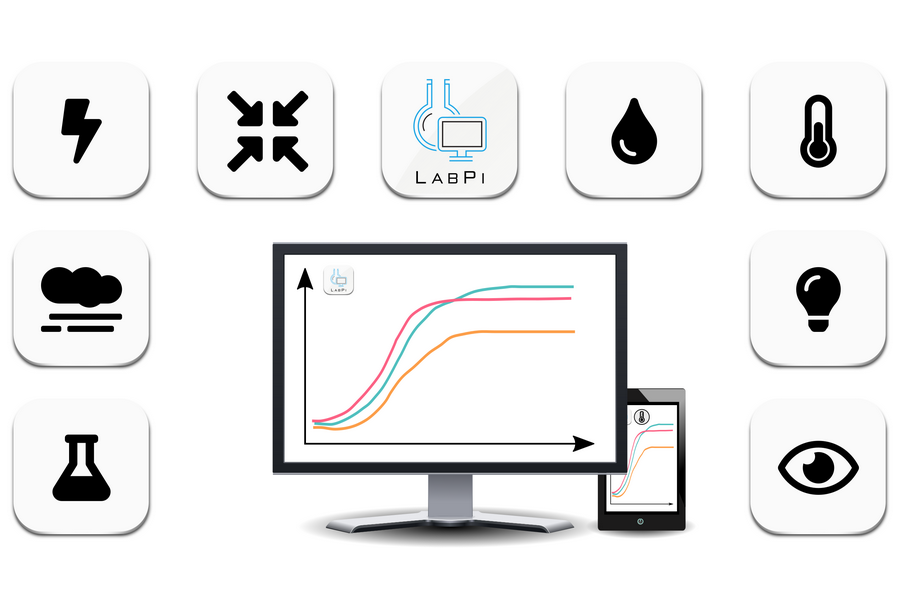
Numerous sensors are available for LabPi. Each one creates new possibilities for quantitative data acquisition and can be used across all STEM subjects. And: all sensors can be freely combined and recorded simultaneously.
>> More information about the technology
STEM Education 4.0: Innovative teaching and learning formats
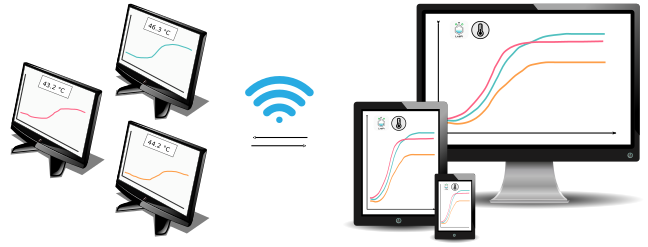
LabPi uses the possibilities of digitalization for STEM education. Wireless networking with the cloud makes it possible to combine the measured values of several learning groups at the touch of a finger. And when 92,094 measured values can be discussed faster and better, more real learning time remains for experiments and their analysis.
Voices from the field
The sensors are between three and 15 cm in size, a fraction of the size of the devices used so far, at most one twentieth of the price and accurate enough for trainee chemistry professionals to work with them. This opens up entirely new areas of application because many more learners can carry out their analyses at the same time. - Dan Loewenbein, Kerschensteinerschule Wiesbaden
LOW-cost: digitalization for smaller budgets
Low-cost single-board computers, miniature sensors and self-developed open software keep costs low. At the same time, LabPi offers precise measurements, easy operation and applications for all STEM subjects.
Reports, news and subject-specific publications
LabPi is further developed and researched by the Chemistry Education group at the University of Oldenburg and investigated in research projects in order to ensure quality in the long term and expand it with new possibilities.
2026: Research

LabPi is used for low-cost experiments in the collaborative research center CataLight.
2022: From the classroom
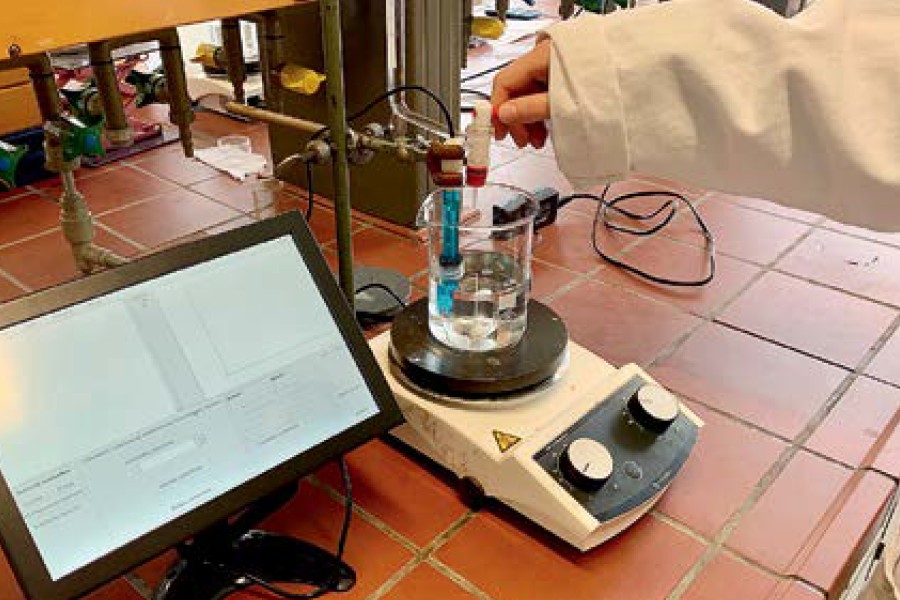
LabPi in vocational chemistry training.
2021: Scientific publication
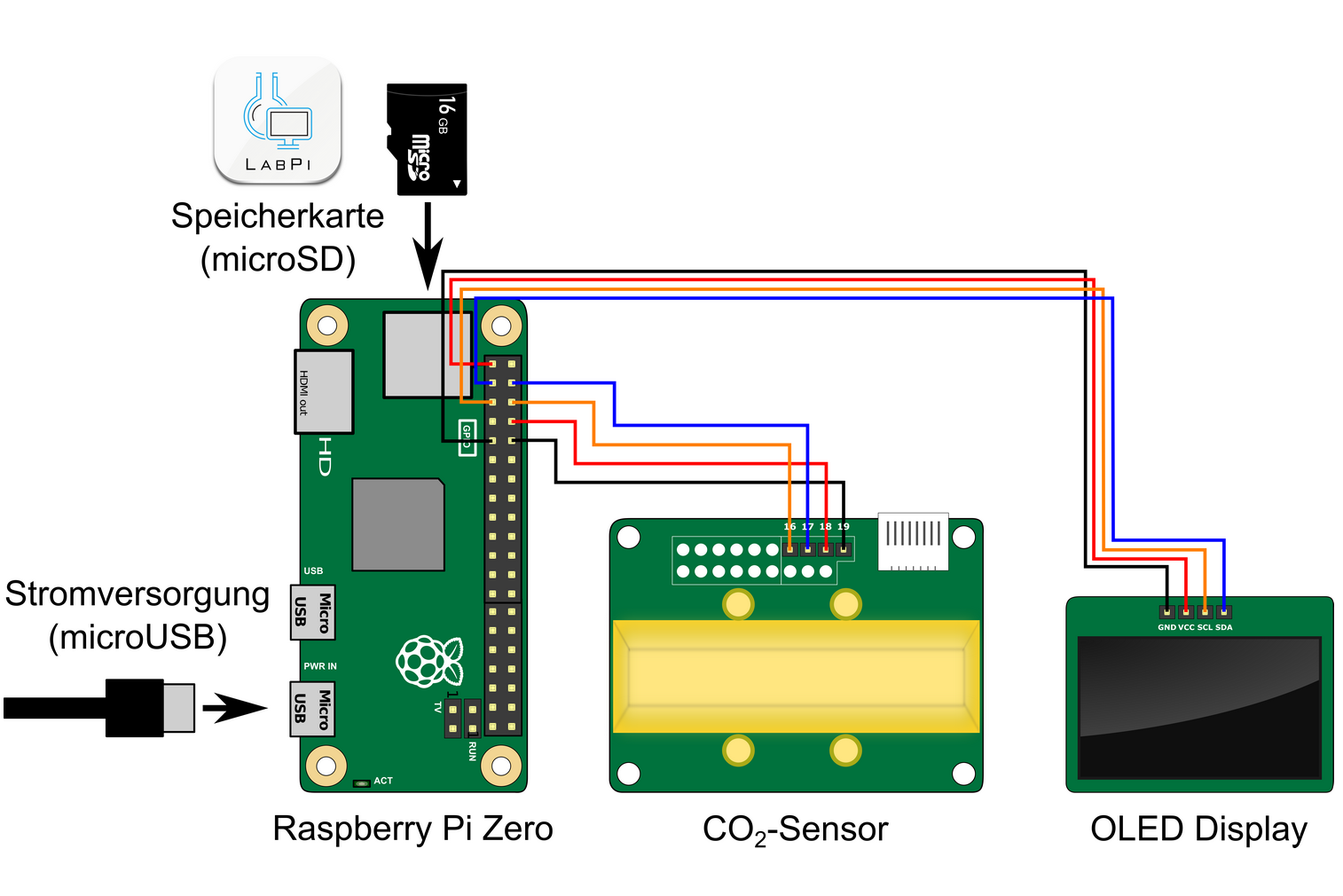
Publication in the journal "CHEMKON".
2021: Research projects
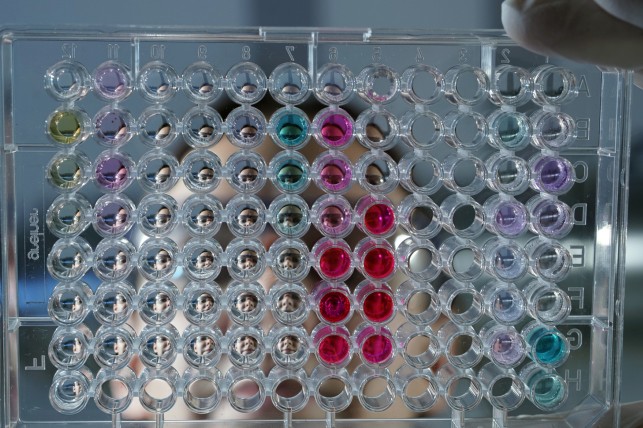
Use in cutting-edge research: LabPi is used in newly funded projects of the collaborative research centers CataLight (Universities of Ulm and Jena) and PolyTarget (University of Jena and Jena University Hospital).
2020: Report
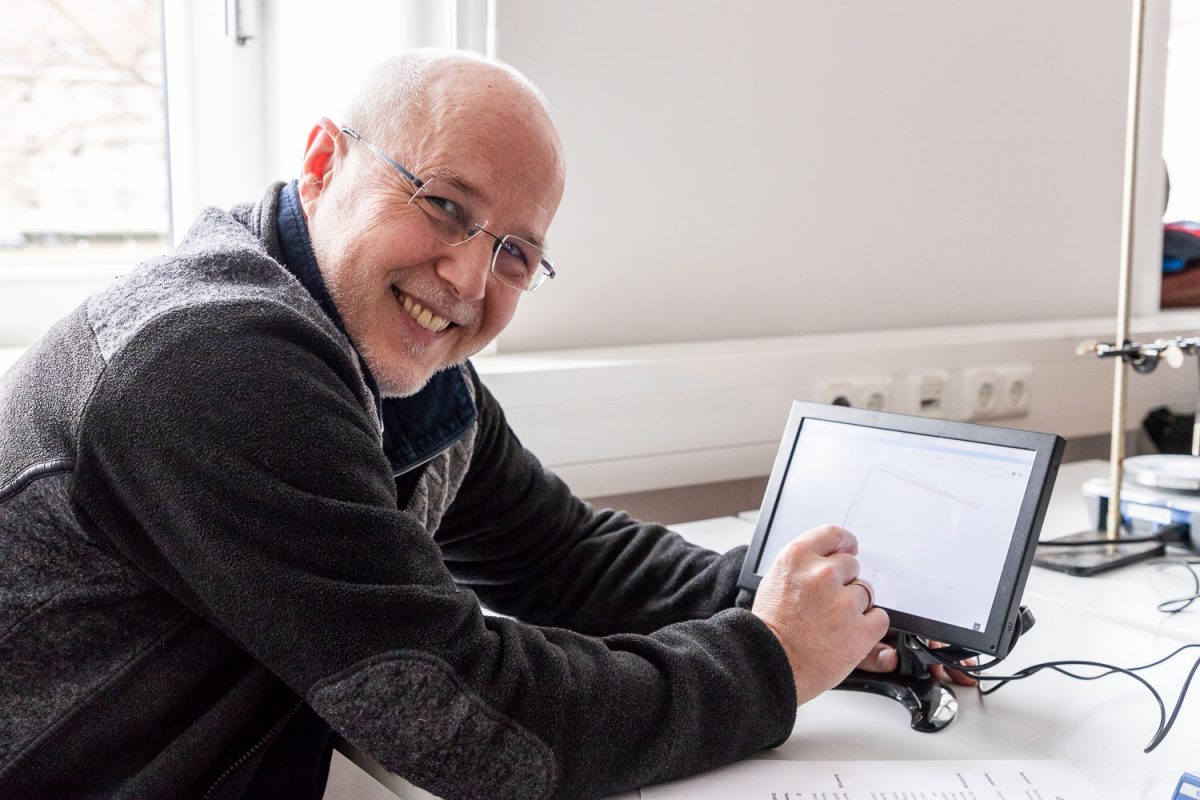
Workshop for teachers during the third STEM conference at TU Braunschweig.
2018: Report
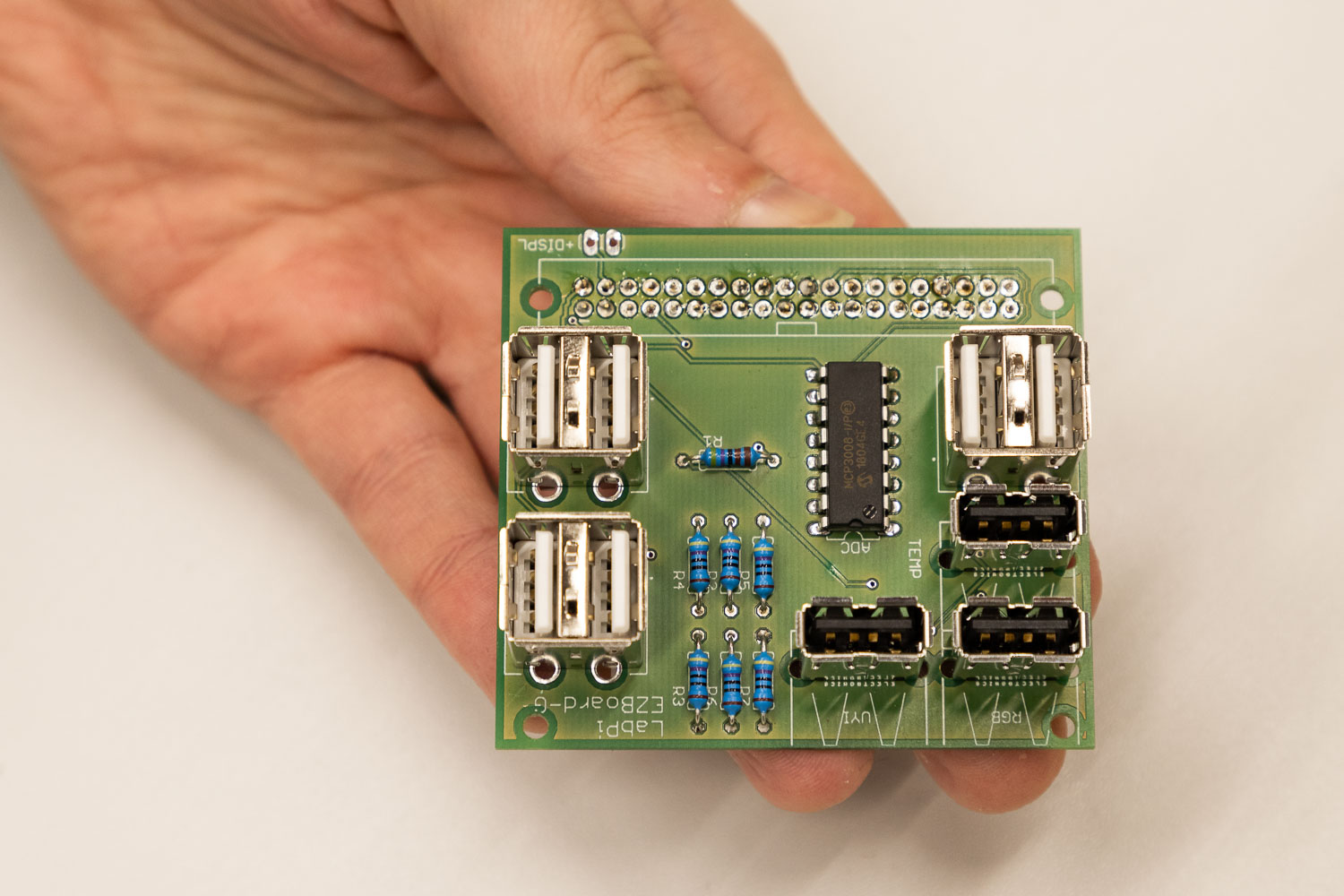
First presentation of LabPi and its possible applications.
2025: Teaching
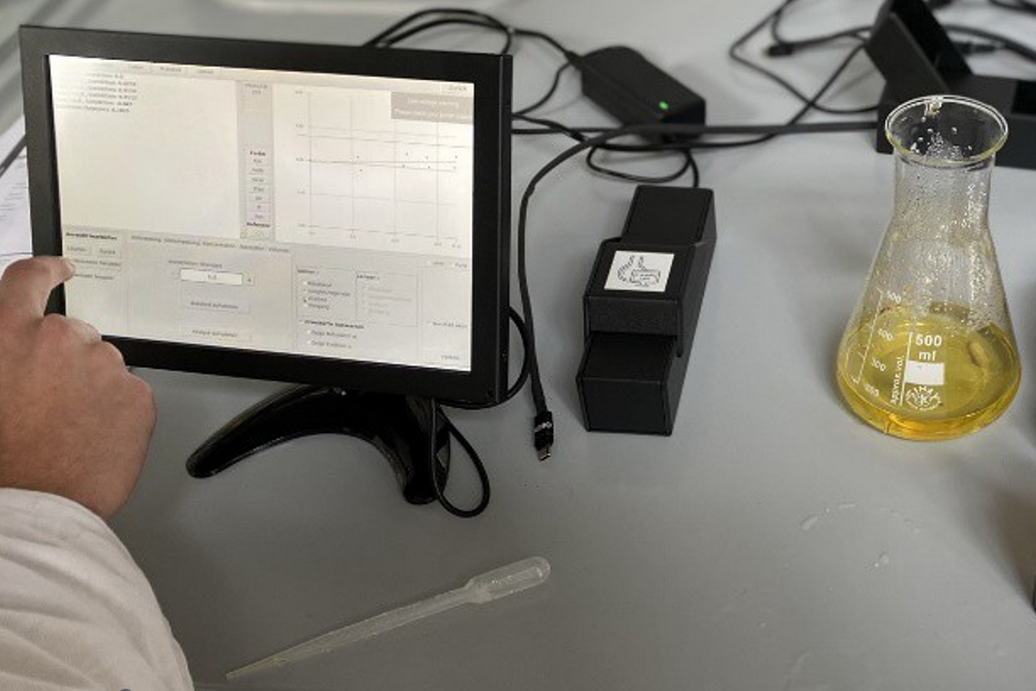
LabPi begins to be established at the University of Oldenburg in research and teaching.
2022: Scientific publication
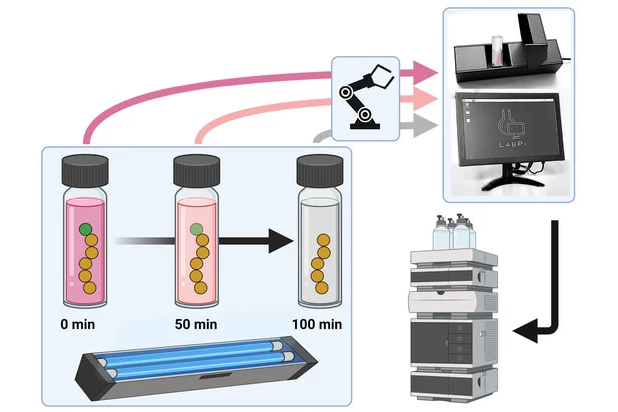
Publication in the international journal "Polymers" (open access).
2021: Student laboratory
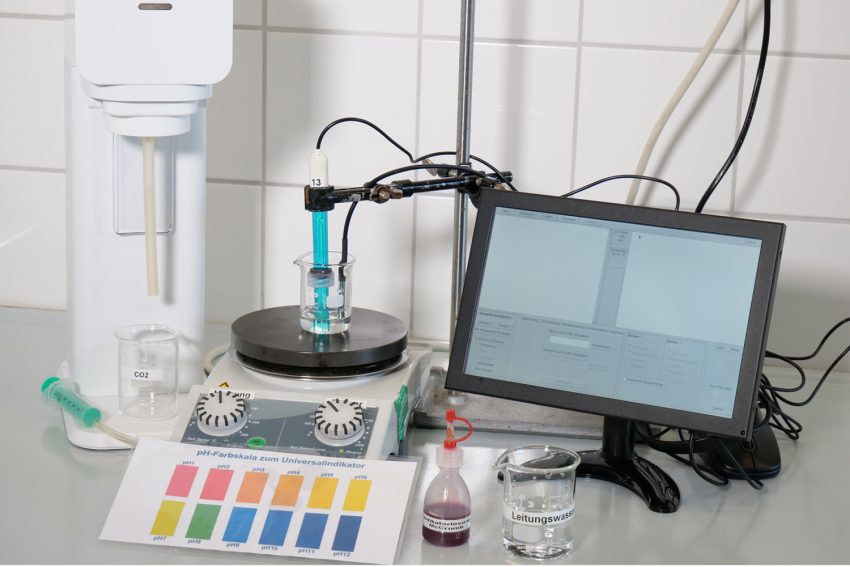
A LabPi experiment on global climate change at the Agnes Pockels Laboratory of TU Braunschweig receives the LeLa Prize 2021, endowed with EUR 5,000.
2020: University project
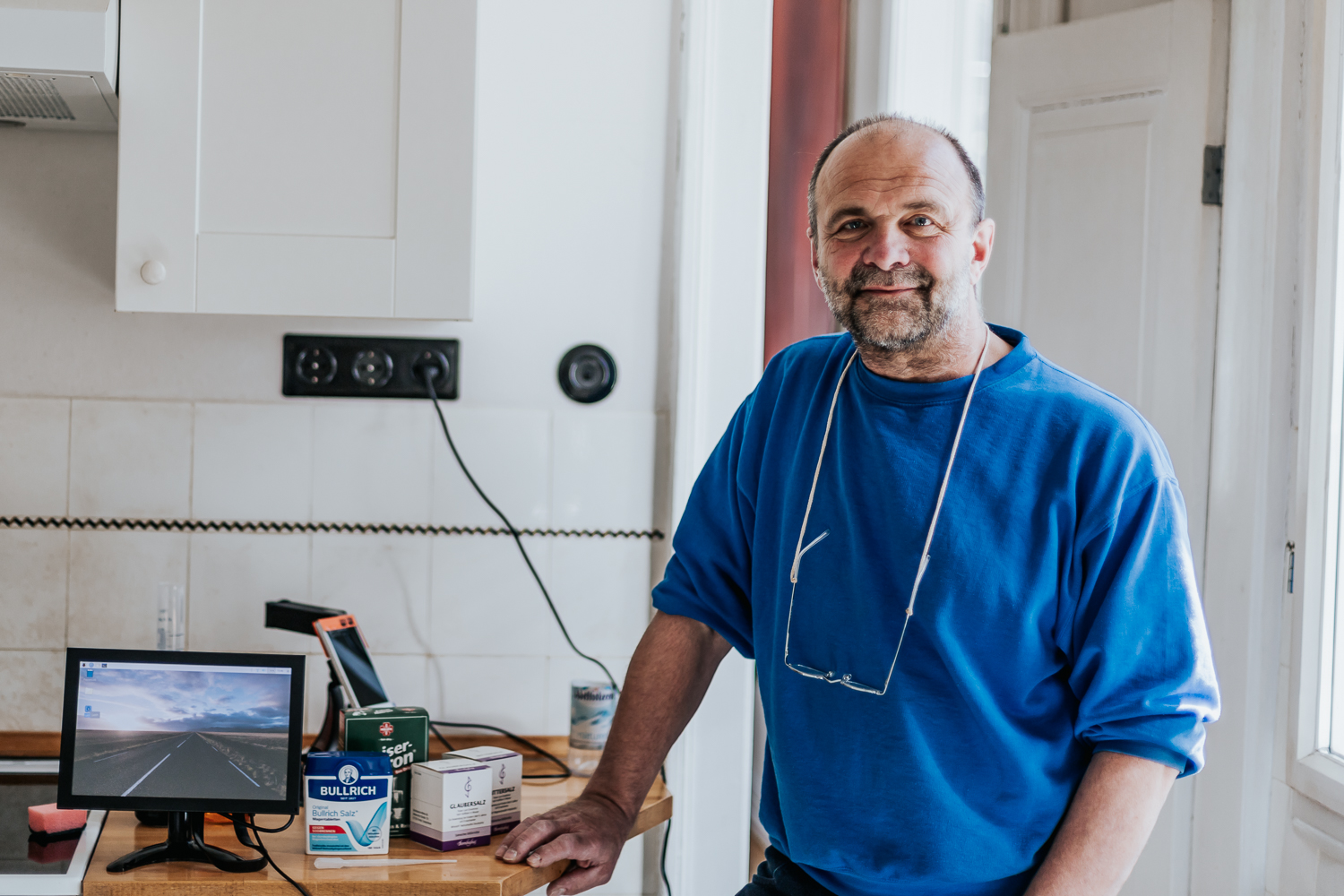
Instead of experimenting in the laboratory in the traditional way, 50 biotechnology students at TU Braunschweig work in a HomeLab with LabPi, smartphones and household materials. Physicist Dr. Christof Maul developed experiments that students can perform at home.
2019: University project
As part of the "Digitize" project, 60 LabPi stations are deployed across the inorganic laboratory course. Project partner is Prof. Marc Walter at TU Braunschweig.
2022: Scientific publication
Publication in the international journal "Journal of Chemical Education".
2021: Entrepreneurship
The LabPi project receives first prize from the Entrepreneurship Hub of TU Braunschweig and Ostfalia University of Applied Sciences.
2021: Report
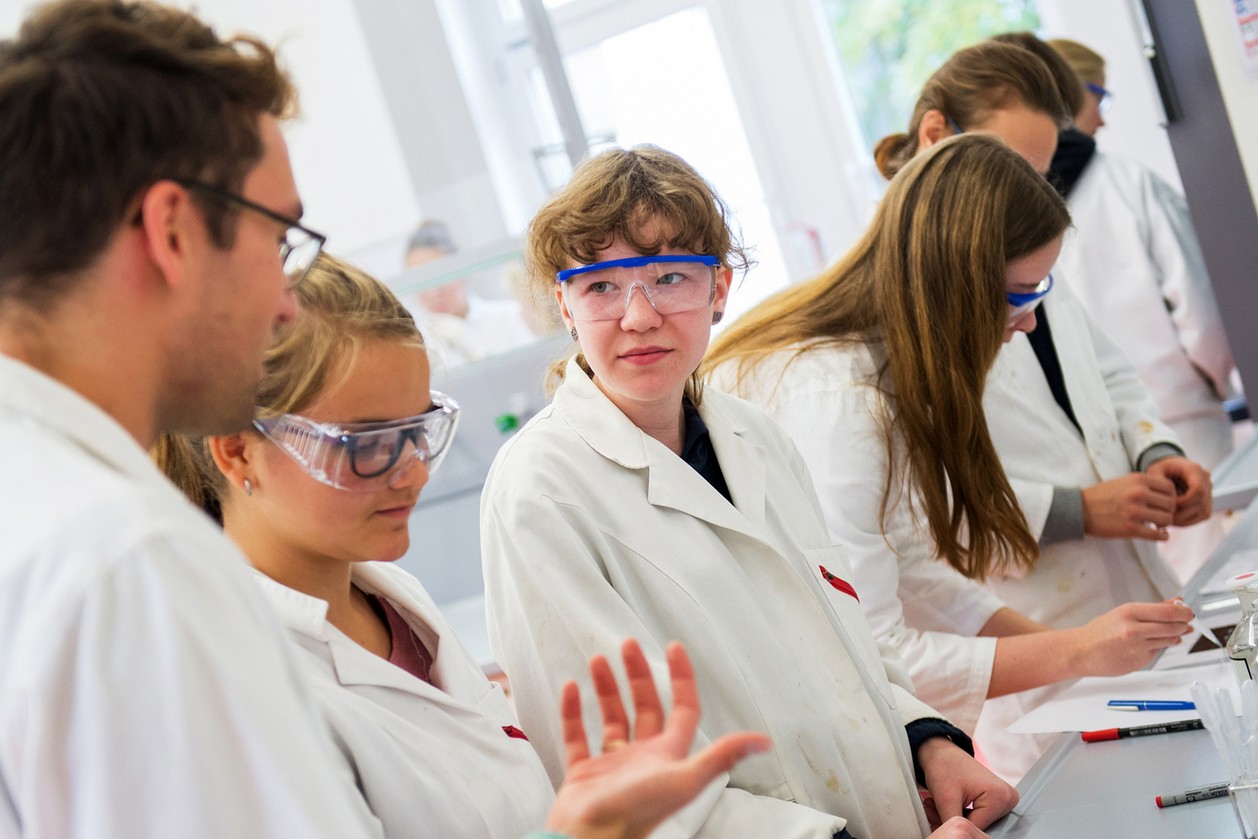
At the University of Jena, LabPi is integrated into chemistry teacher education.
2020: Scientific publication
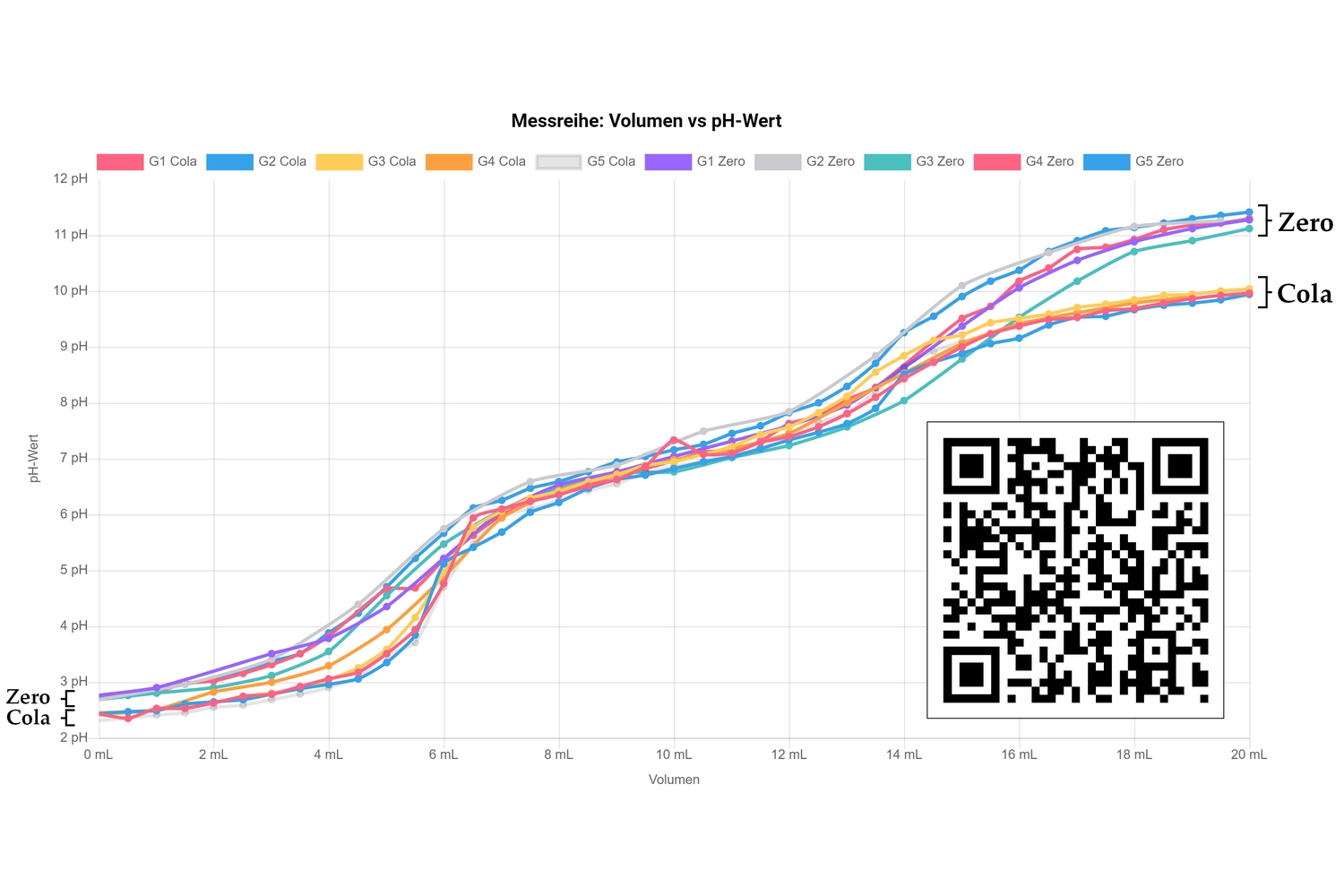
Publication in "Nachrichten aus der Chemie".
2019: Scientific publication
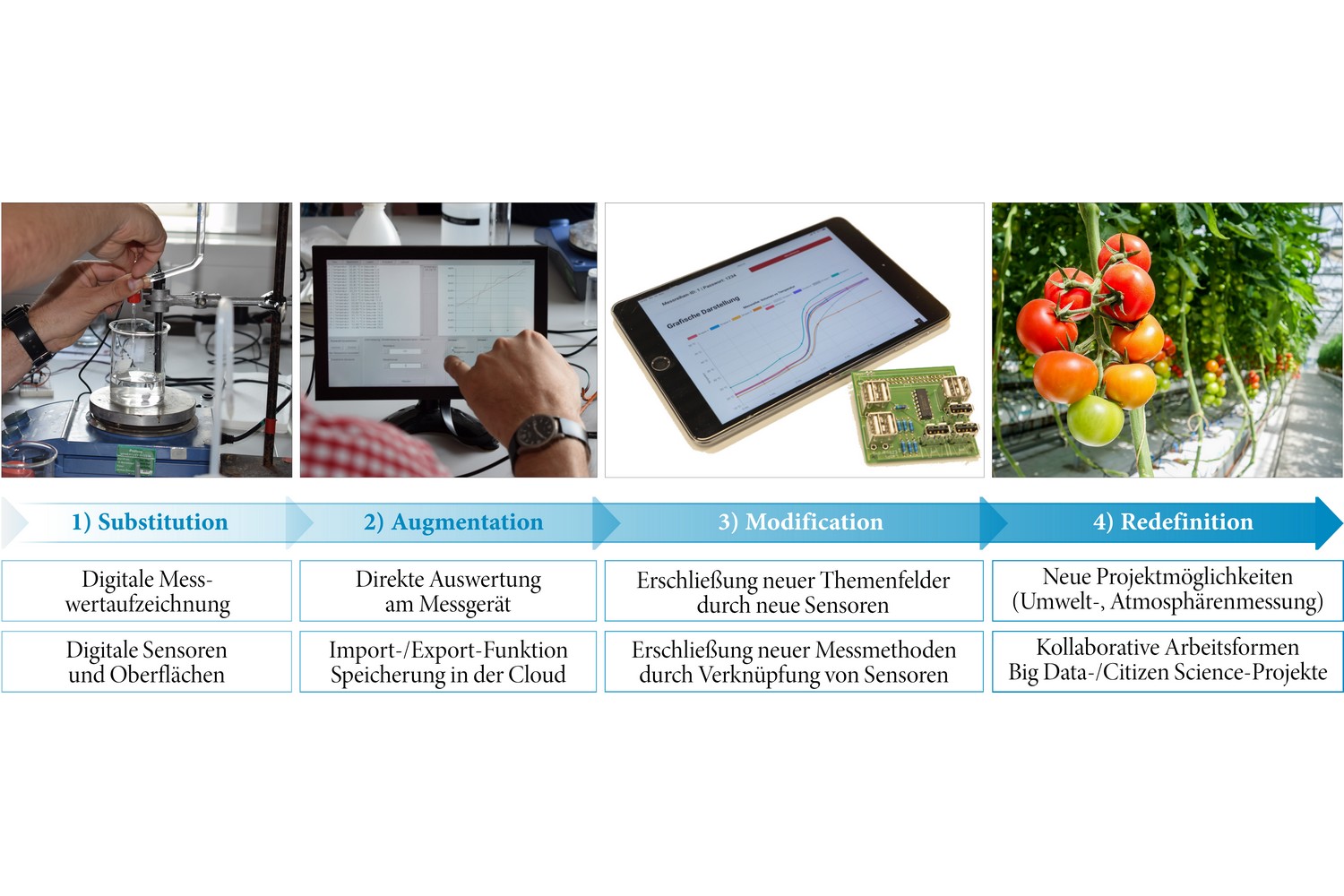
Publication in the journal "CHEMKON".